
AnKi 3D Engine - Vulkan and D3D12, modern renderer, scripting, physics and more
#game-engine #gamedev #engine #3d #rendering #opengl #vulkan #glsl #hlsl #cpp
 Panagiotis Christopoulos Charitos
43ef8e4a7d
Some windows improvements
Panagiotis Christopoulos Charitos
43ef8e4a7d
Some windows improvements
|
6 anos atrás | |
|---|---|---|
| docs | 8 anos atrás | |
| engine_data | 6 anos atrás | |
| samples | 6 anos atrás | |
| sandbox | 6 anos atrás | |
| shaders | 6 anos atrás | |
| src | 6 anos atrás | |
| tests | 6 anos atrás | |
| thirdparty @ d611a3d011 | 6 anos atrás | |
| tools | 6 anos atrás | |
| .clang-format | 7 anos atrás | |
| .gitignore | 7 anos atrás | |
| .gitmodules | 10 anos atrás | |
| .travis.yml | 6 anos atrás | |
| CMakeLists.txt | 6 anos atrás | |
| LICENSE | 9 anos atrás | |
| README.md | 6 anos atrás |
README.md

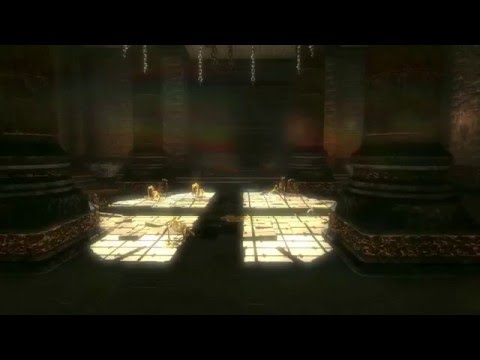
AnKi 3D engine is a Linux and Windows opensource game engine that runs on Vulkan 1.1 and OpenGL 4.5 (now deprecated).
1 License
AnKi's license is BSD. This practically means that you can use the source or parts of the source on proprietary and non proprietary products as long as you follow the conditions of the license.
See LICENSE file for more info.
2 Building AnKi
Build Status, Linux and Windows

To checkout the source including the submodules type:
git clone --recurse-submodules https://github.com/godlikepanos/anki-3d-engine.git anki
AnKi's build system is using CMake. A great effort was made to ease the building process that's why the number of
external dependencies are almost none.
2.1 On Linux
Prerequisites:
- Cmake 3.0 and up
- GCC 5.0 and up or Clang 6.0 and up
- libx11-dev installed
- libxrandr-dev installed
- libx11-xcb-dev installed
- [Optional] libxinerama-dev if you want proper multi-monitor support
To build the release version:
$cd path/to/anki
$mkdir build
$cd ./build
$cmake .. -DCMAKE_BUILD_TYPE=Release
$make
To view and configure the build options you can use ccmake tool or other similar tool:
$cd path/to/anki/build
$ccmake .
This will open an interface with all the available options.
2.2 On Windows
Prerequisites:
- Cmake 3.0 and up
- VulkanSDK version 1.1.x and up
- Add an environment variable named
VULKAN_SDKthat points to the installation path of VulkanSDK
- Add an environment variable named
- Python 3.0 and up
- Make sure that the python executable's location is in
PATHenvironment variable
- Make sure that the python executable's location is in
- Microsoft Visual Studio 2017 and up
- Make sure that
Windows 10 SDK (xxx) for Desktop C++ [x86 and x64]component is installed
- Make sure that
To build the release version open PowerShell and type:
$cd path/to/anki
$mkdir build
$cd build
$cmake .. -G "Visual Studio 15 2017 Win64" -DCMAKE_BUILD_TYPE=Release
$cmake --build . --config Release
Alternatively, recent Visual Studio versions support building CMake projects from inside the IDE:
- Open Visual Studio
- Choose the "open folder" option and navigate to AnKi's checkout
- Visual Studio will automatically understand that AnKi is a CMake project and it will populate the CMake cache
- Press "build all"
3 Next steps
Try to build with samples enabled (search for the ANKI_BUILD_SAMPLES=ON option in your CMake GUI) and try running
the sponza executable. Then you will be able to see sponza running in AnKi. All samples must run from within their
directory.
$cd path/to/anki/samples/sponza
$./path/to/build/bin/sponza
More samples will follow.