
AnKi 3D Engine - Vulkan and D3D12, modern renderer, scripting, physics and more
#game-engine #gamedev #engine #3d #rendering #opengl #vulkan #glsl #hlsl #cpp
 Panagiotis Christopoulos Charitos
b433f50752
Some interlacing work
Panagiotis Christopoulos Charitos
b433f50752
Some interlacing work
|
vor 9 Jahren | |
|---|---|---|
| bled | vor 10 Jahren | |
| docs | vor 9 Jahren | |
| engine_data | vor 9 Jahren | |
| samples | vor 9 Jahren | |
| sandbox | vor 9 Jahren | |
| shaders | vor 9 Jahren | |
| src | vor 9 Jahren | |
| tests | vor 9 Jahren | |
| thirdparty @ 39e747eb08 | vor 9 Jahren | |
| tools | vor 9 Jahren | |
| .clang-format | vor 9 Jahren | |
| .gitignore | vor 9 Jahren | |
| .gitmodules | vor 10 Jahren | |
| .travis.yml | vor 9 Jahren | |
| AndroidManifest.xml | vor 12 Jahren | |
| CMakeLists.txt | vor 9 Jahren | |
| LICENSE | vor 10 Jahren | |
| README.md | vor 9 Jahren |
README.md


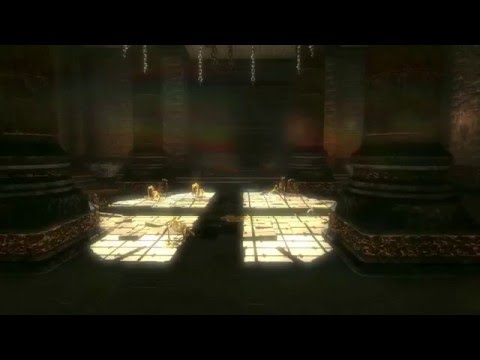
AnKi 3D engine is a Linux and Windows opensource game engine that runs on OpenGL 4.5 and Vulkan 1.0 (Beta).
License
AnKi's license is BSD. This practically means that you can use the source or parts of the source on proprietary and non proprietary products as long as you follow the conditions of the license.
See LICENSE file for more info.
Building AnKi
AnKi's build system is using CMake. A great effort was made to ease the building process that's why the number of external dependencies are almost none.
On Linux
Prerequisites:
- Cmake 2.8 and up
- GCC 4.8 and up or Clang 3.7 and up
- libx11-dev installed
- [Optional] libxinerama-dev if you want proper multi-monitor support
To build the release version:
$cd path/to/anki
$cd mkdir build
$cd ./build
$cmake ..
$make
To view and configure the build options you can use ccmake tool or other similar tool:
$cd <path_to_anki>/build
$ccmake .
This will open an interface with all the available options.
On Windows
Prerequisites:
- CMake 2.8 and up
- Mingw-w64 4.8 and up
- Install to a path without spaces
- Append the path where mingw's binaries are located (eg C:/mingw-w64/x86_64-4.9.3-win32-seh-rt_v4-rev1/mingw64/bin) to the PATH environment variable
To build the release version:
- Open CMake GUI tool
- Point the source directory to where AnKi's CMakeLists.txt is located
- Select a build directory (eg path/to/anki/build)
- Configure by selecting mingw makefiles
- Generate the makefiles
- Open a PowerShell
- Navigate to where the build directory is located
- Invoke the mingw's make: mingw32-make
NOTE: If you have a better way to build on Windows please let us know.
NOTE 2: The Windows build tends to break often since Windows is not the primary development platform. Please report any bugs.
Next steps
Try to build with samples enabled (see the relevant option in your CMake GUI, ANKI_BUILD_SAMPLES) and try running the simple_scene executable. All samples must run from within the samples directory.
$cd path/to/anki/samples
$./path/to/build/samples/simple_scene/simple_scene
More samples will follow.